Chemical Process Pump Selection: Flow Rate, Materials and Pressure
Choosing the wrong chemical process pump is one of the most expensive mistakes a plant can make. A pump that is slightly undersized, built from the wrong material or run at the wrong pressure can leak, cavitate and fail within months. That means unplanned downtime, safety risk and repeated replacement costs.
This guide covers the three factors that matter most in chemical pump selection: flow rate, materials of construction and pressure. It also explains how they apply to an acid pump, a chemical transfer pump and a corrosion-resistant pump.
What Is a Chemical Process Pump?
A chemical process pump moves aggressive, hazardous or high-purity liquids through a plant. Typical liquids include acids, alkalis, solvents, brines and reaction mixtures. Compared with a standard water pump, it is built with:
- Wetted parts made from chemical-resistant metals or polymers
- Mechanical seals suited to hazardous or volatile fluids
- Tighter tolerances for leak-free, continuous duty
Common types are centrifugal pumps, air-operated double diaphragm pumps, gear pumps and screw pumps. The right choice depends on the liquid and the duty. For a closer look at the range, see MK Flow’s chemical process pumps.
Step 1: Define Your Flow Rate
Flow rate is how much liquid the pump must move per unit of time, usually in m³/hr, LPM or GPM. It is the starting point of every pump selection.
How to size it correctly:
- Find the real process demand. Use your batch size, transfer time or production rate. Include both average and peak demand.
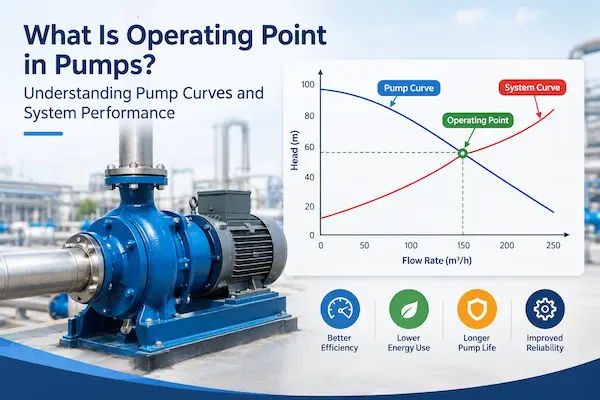
- Add a sensible margin. A small safety margin of around 10–20% is common practice, but oversizing wastes energy and pushes the pump away from its best efficiency point (BEP).
- Account for piping. Flow rate decides friction losses in the line, which feed directly into the head the pump must produce.
- Check the pump curve. Choose a model that delivers your duty point near the middle of its curve, not at the extreme ends.
A pump running far from its BEP vibrates more, wears seals faster and uses more power. Right-sizing for flow protects both the pump and your energy bill.
Step 2: Choose the Right Materials of Construction
Material choice decides how long a chemical pump lasts. A material that is perfect for one chemical can dissolve in another, so always check compatibility against the exact concentration and temperature.
Materials for a corrosion-resistant pump
| Material | Best suited for | Watch out for |
|---|---|---|
| Polypropylene (PP) | Dilute acids, alkalis, many general chemicals | Limited temperature range, weak against strong oxidisers |
| PVDF | Strong acids, chlorinated solvents, higher temperatures | Higher cost than PP |
| PTFE / PTFE-lined | Very aggressive chemicals across a wide range | Cost, and lower mechanical strength |
| Stainless Steel 304 / 316 | Mild chemicals, solvents, food and pharma liquids | Chloride attack and some acids |
| Alloy 20 / Hastelloy | Hot, concentrated or highly corrosive acids | Premium price |
Choosing an acid pump
Acids are the toughest test for any pump. Sulphuric, hydrochloric, nitric and phosphoric acid each behave differently depending on strength and temperature. For example, a pump that handles dilute acid well in PP may fail quickly in hot concentrated acid. In those cases PVDF, PTFE-lined or high-alloy construction is usually the safer choice.
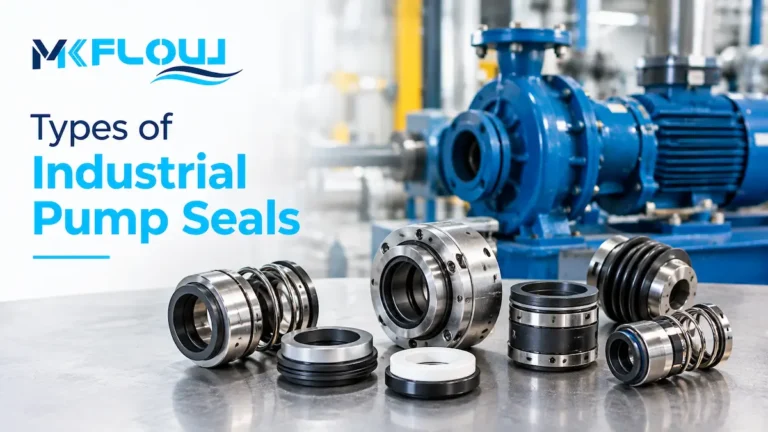
Seals and elastomers matter as much as the pump body. The mechanical seal faces, O-rings and gaskets must all be compatible with the liquid. A body made of the right material can still leak if the seal is wrong.
Selection guidance from industry publications such as Pumps & Systems also stresses checking the chemical, its container and the material of every wetted part before you decide.
Step 3: Match the Pressure Requirement
Pressure, often expressed as total head, is the work the pump must do. It combines:
- Static head: the height the liquid must be lifted
- Pressure difference: between source and destination vessels
- Friction losses: from pipes, bends, valves and fittings
- Control valve drop: across any control equipment on the line
A quick conversion for water-like liquids: pressure (bar) ≈ head (m) × specific gravity ÷ 10.2. Because chemicals are often heavier than water, the same head produces more pressure, so always include the specific gravity of your liquid.
Don’t ignore NPSH
NPSH (Net Positive Suction Head) is the suction-side margin that prevents cavitation. The NPSH available in your system must be higher than the NPSH required by the pump. Hot or volatile chemicals have high vapour pressure, which lowers NPSH available and raises cavitation risk. Cavitation damages impellers and seals quickly, so check this before you finalise a model.
Also confirm the pump’s maximum working pressure, and the casing and flange ratings, against the worst case in your process, including start-up and upset conditions.
Choosing a Chemical Transfer Pump
For moving chemicals between drums, tanks, tankers and reactors, a chemical transfer pump needs to be safe, portable or easy to install, and reliable with hazardous liquids. Two options are most common:
- Centrifugal pumps suit clean, low-viscosity liquids at moderate to high flow. See MK Flow’s centrifugal process pumps.
- Air-operated double diaphragm (AODD) pumps handle viscous, abrasive, shear-sensitive or solids-bearing chemicals. They run dry safely, have no rotating shaft seal to leak, and stall safely when the discharge is blocked. Explore MK Flow’s AODD pumps.
Screw pumps and gear pumps are also used where viscosity is high or metering accuracy matters. Browse the full range of industrial pumps to compare options.
Quick Checklist for Chemical Pump Selection
Before you request a quote, gather these details:
- Name, concentration and specific gravity of the chemical
- Operating and maximum temperature
- Required flow rate (average and peak)
- Total head or discharge pressure
- Suction conditions: flooded or lift, and NPSH available
- Viscosity and presence of solids or crystals
- Continuous or intermittent duty
- Safety needs: leak-free, ATEX, dry-run protection
- Compliance requirements, such as ISO and relevant plant standards
Sharing this information lets a supplier recommend the right pump the first time. Standards bodies such as the International Organization for Standardization (ISO) and the Hydraulic Institute publish pump standards and guidance worth consulting for design and testing.
Common Mistakes to Avoid
- Selecting by price alone. The cheapest pump often costs more over its life once repairs and downtime are counted.
- Ignoring temperature. Chemical resistance drops as temperature rises.
- Overlooking seals and elastomers. The body may be fine while the seal fails.
- Heavy oversizing. It wastes energy and shortens pump life.
- Skipping NPSH checks. This is a leading cause of premature failure.
Why Choose MK Flow for Your Chemical Process Pump?
MK Flow, based in Chennai, supplies centrifugal, chemical process, screw and AODD pumps, along with industrial valves, to industries across India and overseas. Every pump is quality-tested, and our team helps you match the pump to your chemical, flow and pressure so you get a corrosion-resistant pump built for your duty.
Need help choosing a chemical process pump? Share your chemical, flow rate and pressure details with our engineers for a recommendation and quote.
Frequently Asked Questions
1. What is a chemical process pump used for?
It transfers or circulates corrosive, hazardous or high-purity liquids in chemical, pharma, fertiliser, textile and water-treatment plants.
2. How do I select a pump for acid?
Identify the acid, its concentration and temperature, then choose a compatible material such as PP, PVDF, PTFE-lined or a high alloy. Check the seals and gaskets as well.
3. What is the best material for a corrosion-resistant pump?
There is no single best material. PP and PVDF suit many acids and alkalis, PTFE handles the most aggressive chemicals, and stainless steel 316 suits milder liquids and solvents.
4. Which is better for chemical transfer: centrifugal or AODD?
Centrifugal pumps suit clean, thin liquids at high flow. AODD pumps are better for viscous, abrasive or solids-laden chemicals and for dry-run situations.
5. Why does NPSH matter in chemical pump selection?
If NPSH available is lower than NPSH required, the pump cavitates, which damages the impeller and seal and reduces flow.